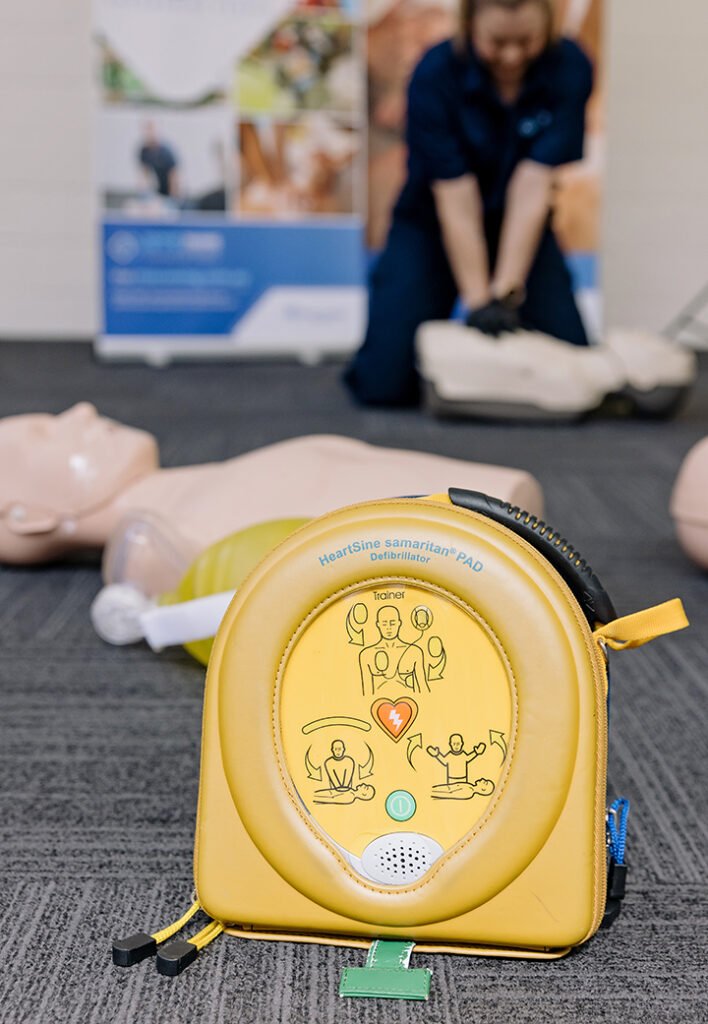
Standard first aid training assumes help is on the way. In most metro workplaces, that’s a fair assumption – an ambulance in Perth averages around 15 minutes. Your first aider stabilises the patient, hands off to paramedics and the system works the way it’s supposed to.
But that’s not the reality for thousands of workers across Western Australia.
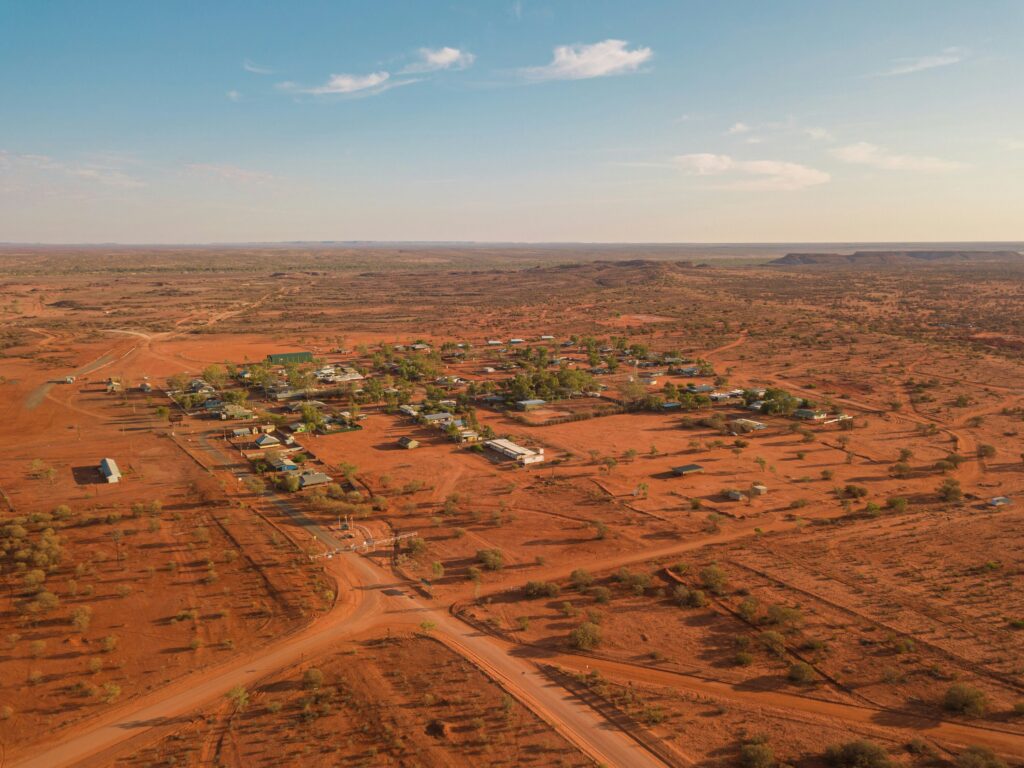
On a mine site in the Pilbara, a cattle station in the Kimberley, or a construction project two hours from the nearest regional hospital, there’s no quick handoff. Your first aider isn’t bridging a 15 minute gap – they might be the only medical response for hours!
That’s where remote first aid training comes in, and it’s a very different qualification for a fundamentally different situation.
What Does HLTAID011 Actually Prepare Your Team For?
The standard Provide First Aid course HLTAID011 covers CPR, bleeding management, burns, fractures, bites, stings and medical emergencies like asthma and anaphylaxis. It gives people the skills to assess a situation, keep someone alive, and hand over to emergency services when they arrive.
HLTAID011 is designed around the assumption that professional help is close. The treatment plans are built for short term management which works perfectly well in the city or the suburbs, but it doesn’t prepare someone to manage a casualty alone for two, three, or four hours because it was never designed to.
What Does HLTAID013 Cover That the Standard Course Doesn’t?
Provide First Aid in Remote or Isolated Site HLTAID013 picks up where the standard qualification stops. It’s built for people who work in isolated environments where professional medical help is a long way off, and where the responder needs to manage a situation well beyond the usual handoff window.
That means the training goes deeper in a few critical areas like:
Prolonged casualty care. When you’re hours from hospital, you need to know how to manage a patient over a long period. That includes ongoing monitoring, wound management, understanding how a patient’s condition can change over time and what to do when it does.
Environmental emergencies. WA’s remote environments come with their own risks such as heat stroke, hypothermia, dehydration, envenomation which are everyday realities in the Pilbara, the Goldfields, and the Kimberley! HLTAID013 covers recognition and management of environmental conditions that standard courses only touch on briefly.
Improvisation and self reliance. In a metro setting, you’ve most likely got a well stocked kit and paramedics on the way. In a remote setting, you might need to improvise a splint, manage a wound with limited supplies, or make decisions about casualty movement when there’s no one else to consult. Remote area training builds that capability.
Decision making under pressure. Perhaps the biggest difference is the mental side. When you’re the only responder and help is hours away, the decisions you make carry more weight. HLTAID013 puts people through realistic scenarios that build confidence in exactly that kind of pressure.
Who Needs Remote and Isolated Site Training in WA?
The short answer: anyone whose workplace is more than an hour from emergency medical services.
In Western Australia, that covers a lot of ground. Mining and exploration operations, agricultural properties, regional construction projects, offshore and maritime workers, remote tourism operators, and any FIFO workforce operating outside metro areas all fall into this category.
Does HLTAID013 Replace the Standard Qualification?
No, HLTAID013 doesn’t replace HLTAID011, it builds on it. The remote course includes all the units from HLTAID011, HLTAID010 (basic emergency life support), and HLTAID009 (CPR), plus the additional remote and isolated site skills on top.
Your team comes out with both the standard qualification and the remote component. It’s not an either/or decision, it’s everything in the standard course plus the extended care skills for when help isn’t coming quickly.
Think of it this way: the standard course gives your team the skills to respond. HLTAID013 gives them the skills to manage for as long as it takes.
How Often Does HLTAID013 Need to Be Renewed?
The HLTAID013 qualification is valid for three years, in line with Safe Work Australia and Australian Resuscitation Council guidelines. However, the CPR component (HLTAID009) still needs to be renewed every 12 months, which is the same renewal cycle as any other qualification at this level.
The Bottom Line
If your team works in a metro environment with good access to emergency services, HLTAID011 and CPR will cover your obligations and keep your people safe.
If they work hours from the nearest hospital on a mine site, a station, a regional project, or anywhere in between, the standard course might not be enough.
View our Remote and Isolated Site course (HLTAID013) → to book now