If you’re running a business in WA, you already know safety training is important. But with so many courses available, the real question isn’t “what training exists?” it’s “what training do we actually need?”
Under WA’s Work Health and Safety Act 2020, your obligations aren’t based on a universal checklist. They’re driven by your specific risks: the hazards your people face, the environments they work in and how far they are from emergency help!
Training Almost Every WA Business Needs
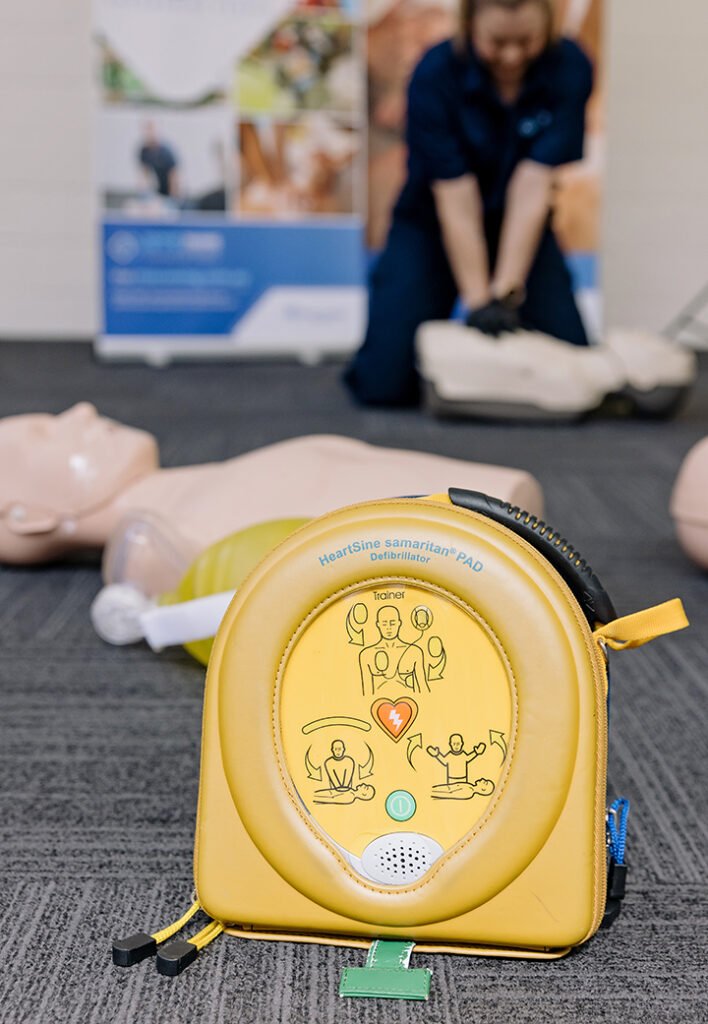
First Aid (HLTAID011) – WorkSafe WA’s Code of Practice requires trained first aiders in every workplace. How many depends on your size and risk level: roughly one per 50 workers in low-risk settings, one per 25 in high-risk, and one per 10 in remote environments. Refreshed every three years, with annual CPR updates recommended.
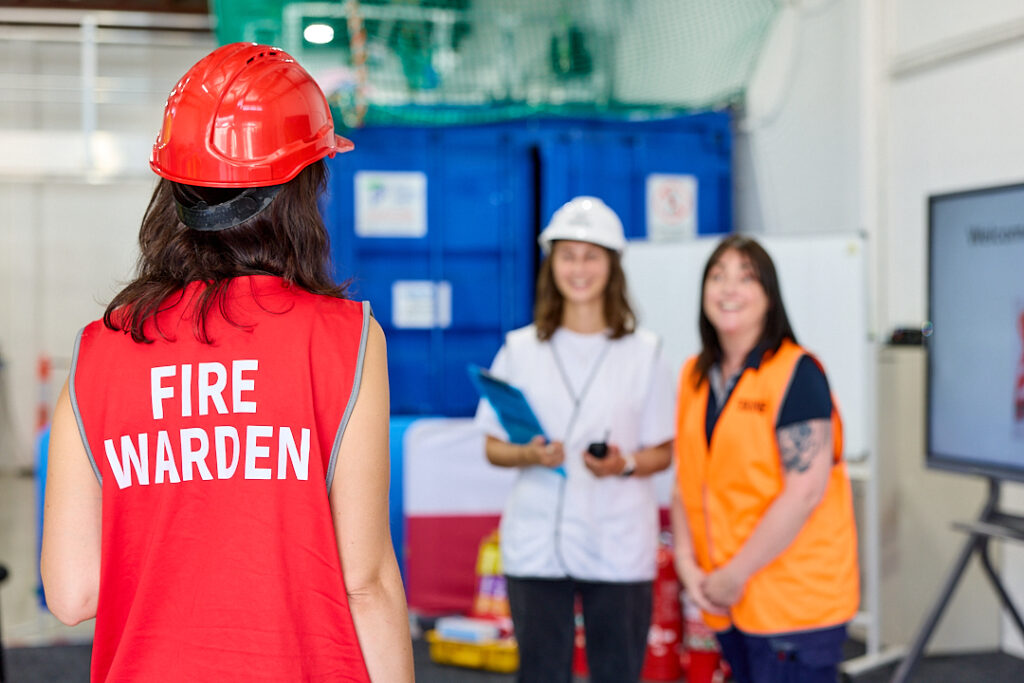
Fire Wardens – If your building has a warden system (most commercial premises do), your wardens need formal training in evacuation, fire panel operation and first-attack firefighting.
What Changes by Industry
Construction and Civil
Falls, electrical incidents & confined space accidents are the biggest killers. If your team works on construction sites, the training that matters most includes:
- Working at Heights (RIIWHS204E) – for anyone at risk of a fall.
- Confined Spaces (RIIWHS202E) and Gas Testing (MSMWHS217) – for tanks, pits, silos, and similar environments.
- Low Voltage Rescue (UETDRMP018) – for electrical workers or anyone near energised equipment, combined with CPR or First Aid.
Mining and Resources
WA’s mining sector shares many of the same high-risk requirements: heights, confined spaces, gas testing & LVR. The big difference is remoteness, because when the nearest hospital is hours away, standard first aid may not be enough. Remote First Aid (HLTAID013) and Advanced First Aid (HLTAID014) are increasingly expected on remote WA sites.
Office Environments
Low risk doesn’t mean no risk! You still need trained first aiders, fire wardens & a solid induction.
Agriculture and Remote Workplaces
Being in a remote environment changes everything. The people you work with become your first line of response, so it’s important to prioritise Remote First Aid (HLTAID013), ensure multiple workers are trained per shift (not just one), and make sure fire training accounts for the fact there’s no brigade around the corner.
Common Mistakes We See
- Under training remote teams with basic first aid when they need remote or advanced qualifications
- Letting certifications expire
- Treating training as a one off rather than building regular refreshers into the safety calendar
How RTS Training Can Help
We’ve been helping WA businesses get their training right since 2012. We offer nationally recognised courses across first aid (including remote and advanced), fire and emergency, confined spaces, gas testing, working at heights, and low voltage rescue. Training runs at our Osborne Park facility, on-site at your workplace, or across regional WA.
Corporate clients also get free access to Training Desk, our online portal for managing bookings, tracking certifications, and running expiry reports all in one place.
Give us a call on (08) 9443 1000 or visit www.rtstraining.com.au to chat about a training plan that fits your business.
Disclaimer: This article is general guidance only. For specific compliance questions, refer to WorkSafe WA or seek professional advice.